Climbing Kilimanjaro
Conquer Africa’s highest peak with a carefully planned Kilimanjaro adventure designed around your pace, route and experience. From the first step through the mountain forests to the final ascent toward Uhuru Peak, every stage of the journey is supported by experienced local guides and a dedicated mountain crew.
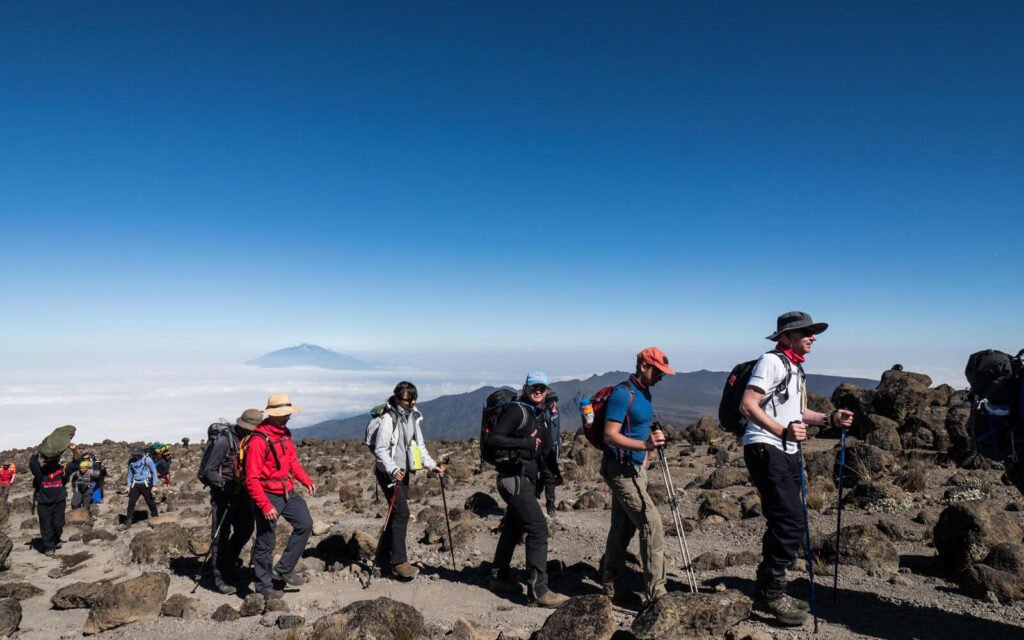
Choose from some of Kilimanjaro’s most rewarding routes, including Machame, Lemosho and Rongai. Each route offers a different combination of scenery, terrain and acclimatisation, allowing you to find the experience that best matches your goals.
Our Kilimanjaro climbs combine expert mountain guiding, thoughtful planning and comfortable accommodation before and after your trek. We take care of the details so you can focus on the trail, the landscapes and the achievement of reaching the Roof of Africa.
Find Your Kilimanjaro Adventure
Find the Right Kilimanjaro Route
Every route offers a different way to experience Mount Kilimanjaro. From scenic trails and gradual acclimatisation to shorter, more direct approaches, we’ll help you choose the route that best suits your time, fitness, and trekking goals.
Machame Route
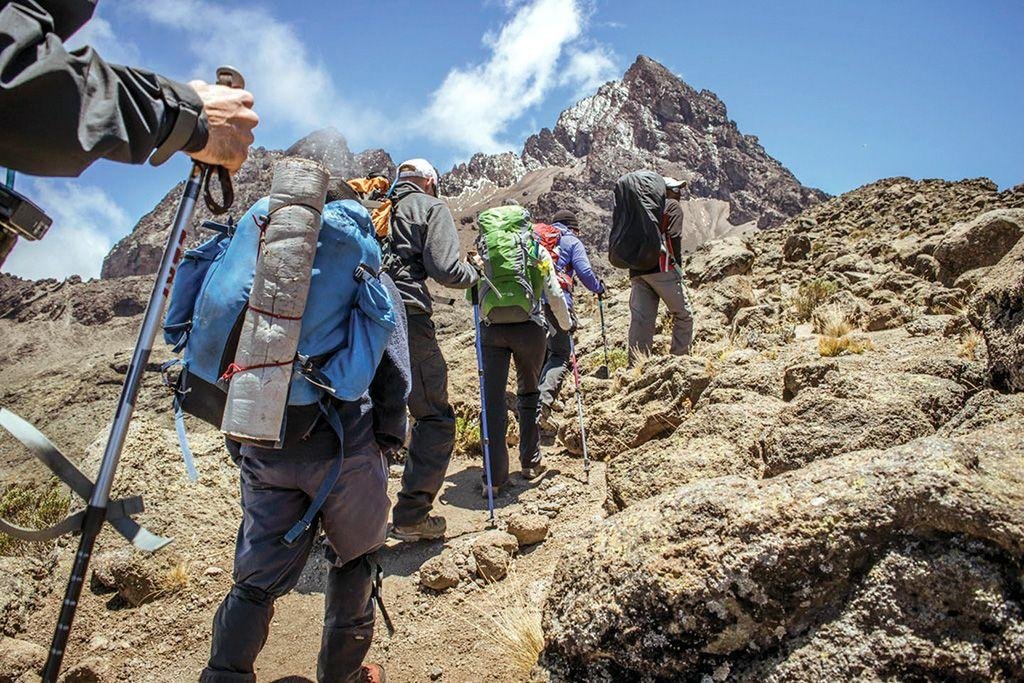
Known for its spectacular scenery and diverse landscapes, Machame is one of Kilimanjaro’s most popular trekking routes.
Machame Route
Known for its spectacular scenery and diverse landscapes, Machame is one of Kilimanjaro’s most popular trekking routes.
Lemosho Route
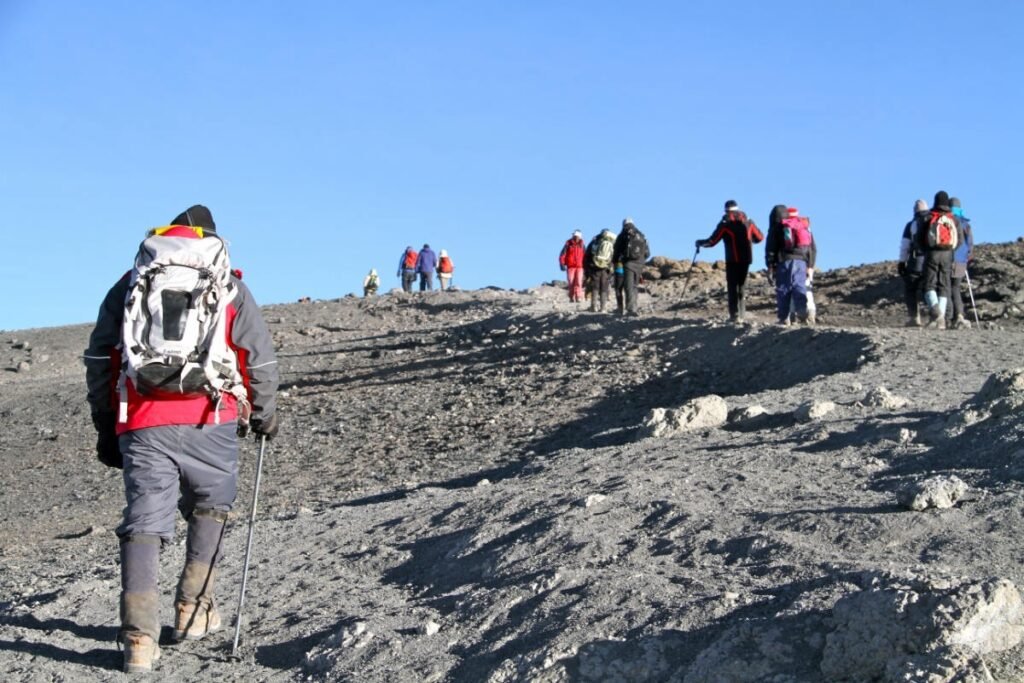
A longer and more gradual approach with beautiful scenery, excellent acclimatisation opportunities, and a quieter start to the trek.
Marangu Route
The only main route offering mountain-hut accommodation, making it a popular choice for trekkers who prefer sleeping indoors.
Kilimanjaro Stories & Inspiration
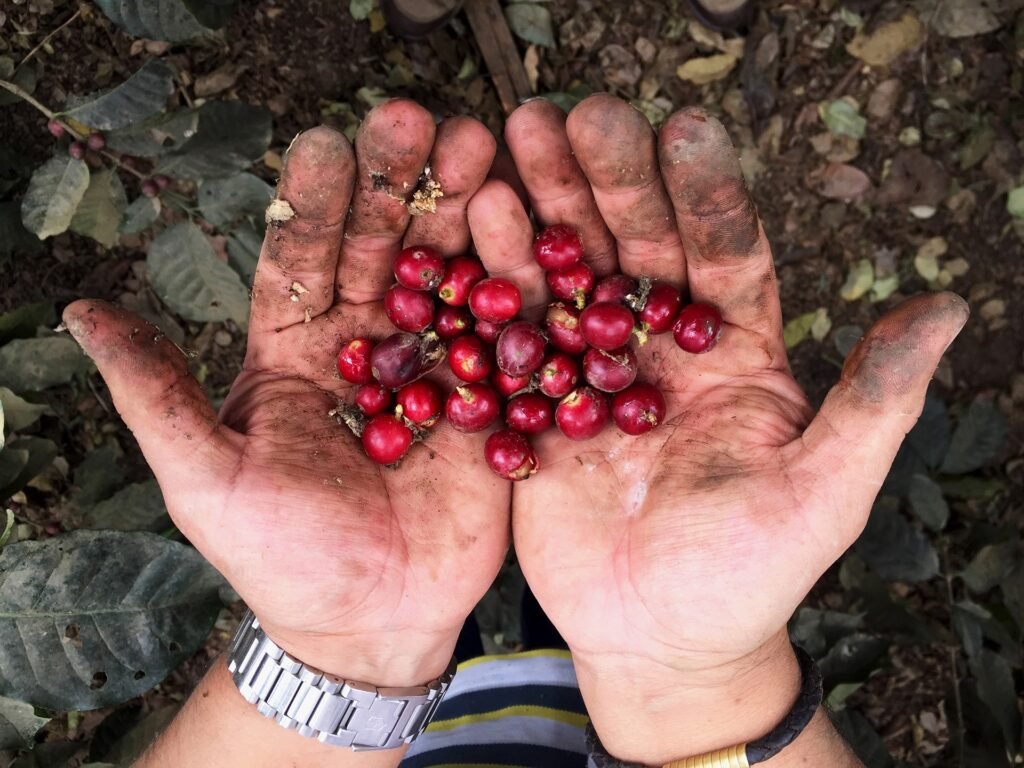
Explore climbing guides, route insights, travel tips, and stories from Africa’s highest mountain.
Ready to Climb Mount Kilimanjaro?
Let our local mountain experts help you choose the right route and plan every detail of your journey to the summit.
Key information about Mount Kilimanjaro
- Best time to climb: January to March and June to October
- Height: 5,895 metres (19,341 feet)
- Climbing time: 5–9 days, depending on the route
- Location: Northern Tanzania, near the Kenya border
- Highest peak: Uhuru Peak
- Mountain type: Dormant stratovolcano
- Currency: Tanzanian Shilling (TZS)
Frequently Asked Questions On Climbing Kilimanjaro
Climbing Mount Kilimanjaro is a physically and mentally demanding experience, especially on summit day. The final ascent is long, cold and takes place at high altitude. Good preparation, proper acclimatization, a steady pace and determination are important for reaching the summit safely.
Kilimanjaro can be climbed throughout the year, but some months generally offer better trekking conditions. The main rainy seasons are typically March to May and November to December. The drier months are often preferred because trails tend to be less wet and conditions more favorable.
It is possible in some circumstances, but we recommend arriving at least one day before your climb. This allows time to rest, complete your equipment check and receive a detailed briefing from your mountain guide before starting the trek.
You can leave luggage and personal belongings that you do not need during the climb in secure storage arranged through EATL Tour. We will advise you on what to take with you and what can safely remain behind.
No. Mount Kilimanjaro is located within a national park and trekking must follow the park’s regulations, including using an authorized mountain guide and arranging the required park permits and fees through the appropriate channels.
Porters are an important part of most Kilimanjaro climbs. They carry camping equipment, food and other group supplies, allowing climbers to concentrate on walking and acclimatizing. The number of porters depends on the route, group size and equipment required.
Park fees, permits, accommodation arrangements and climbing staff are generally organized according to the scheduled itinerary. If you finish early, refunds may therefore not be available. Any unused services will depend on the specific arrangements made for your climb.
For private climbs, adding an extra acclimatization or trekking day may be possible, depending on the route and park regulations. Additional costs will apply, and the request should be discussed with your EATL Tour specialist and mountain guide as early as possible.
Toilet facilities vary by route and campsite. Most public mountain toilets are basic facilities without conventional plumbing. Depending on your climbing package, private toilet facilities may also be available. Your EATL Tour specialist can explain the toilet arrangements for your chosen route before departure.
Private toilet tents can be arranged for your Kilimanjaro climb, depending on the package and route. They are generally positioned at campsites and may be available at selected lunch stops where practical. During sections of the trail without facilities, climbers may need to use designated outdoor areas.
There are no conventional showers on most Kilimanjaro routes. Climbers generally use warm water provided by the mountain crew for basic washing. We recommend keeping yourself dry and warm, particularly at higher elevations where temperatures can be very cold.
Your safety comes first. If a climber becomes unable to continue, the guide team will assess the situation and arrange the appropriate assistance. Depending on the circumstances, the climber may descend with a guide or support team while the rest of the group continues, provided it is safe to do so.
Yes. Please tell us about any dietary requirements or allergies when you book your climb. Our mountain team can plan meals accordingly so that suitable food is available throughout your trek.
Meals are prepared by the mountain crew and are designed to provide the energy you need for trekking at altitude. Menus normally include a combination of carbohydrates, protein, vegetables, fruit, hot drinks and other energy-rich foods. We can also discuss dietary requirements before your climb.
Yes. Our Kilimanjaro guides are experienced mountain professionals who communicate in English. If you require another language, let us know when planning your climb and we can discuss available options.
The finishing time depends on the route and your itinerary. Some routes return to the mountain gate during the morning or early afternoon, while others can take longer. We recommend allowing sufficient time after your climb before arranging onward travel, especially flights.
Mobile coverage is available in some areas of Mount Kilimanjaro, but it can be inconsistent and there are still areas with limited or no signal. Do not rely on your phone as your only means of communication. Your mountain team will have appropriate communication arrangements for the climb.
There are generally no reliable mains electricity facilities on the mountain. We recommend bringing a fully charged power bank or suitable portable charging solution. Cold temperatures can also reduce battery performance, so keep spare batteries and power banks protected from the cold.
Safety is a key part of every Kilimanjaro climb. Our guides monitor climbers throughout the trek and watch for signs of altitude-related problems. Emergency procedures and evacuation arrangements are planned as part of the climb, and your guide will make decisions based on the conditions and your safety.
Prices can vary because different packages include different services, accommodation standards, route arrangements, staffing levels, park fees, equipment and safety provisions. When comparing climbing packages, look beyond the headline price and check exactly what is included, including guides, porters, meals, transfers, accommodation, park fees and emergency support.
No. Previous mountain-climbing experience is not always necessary. However, Kilimanjaro requires good physical preparation and the ability to walk for several hours a day at altitude. Choosing an appropriate route and allowing enough time for acclimatization can make a significant difference to the experience.
Every climber has different needs, fitness levels and travel plans. If you have questions about routes, preparation, equipment, accommodation, altitude, weather or the best itinerary for your trip, contact the EATL Tour team and speak with a safari and mountain specialist.