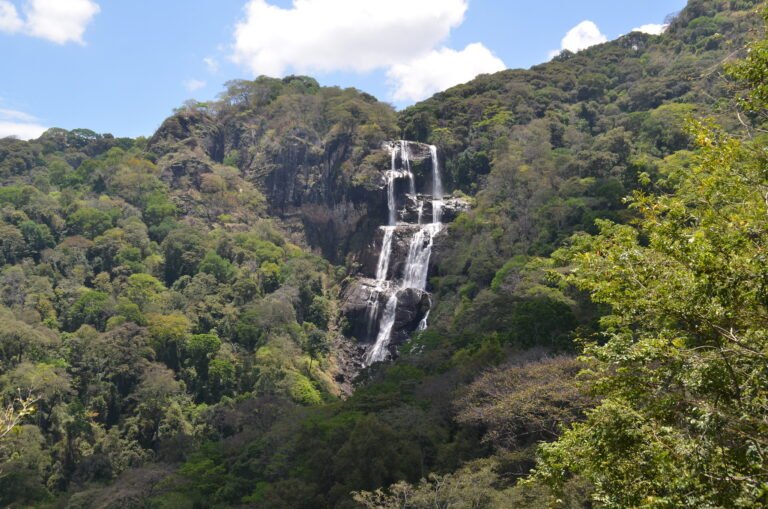
Ngorongoro Conservation Area is centred on the Ngorongoro Crater, the world’s largest intact volcanic caldera and one of Africa’s most concentrated wildlife destinations. The crater floor, roughly 20 kilometres across, holds a self-contained ecosystem of grassland, swamp and forest that supports a dense population of resident wildlife year-round.
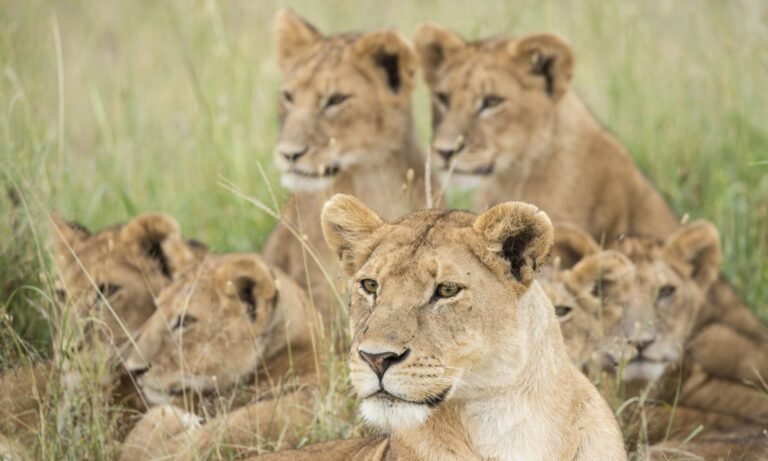
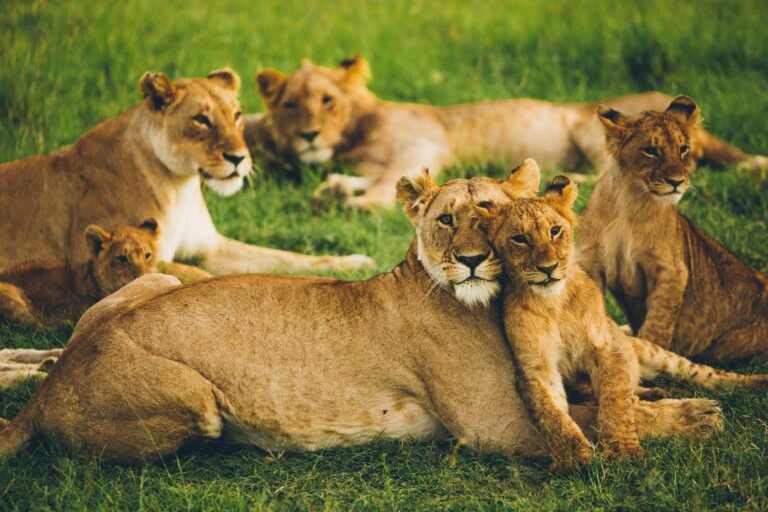
Descending into the crater reveals lion, elephant, buffalo, hippo and one of Tanzania’s few remaining black rhino populations, all within a relatively compact area that makes game viewing especially productive. Beyond the crater rim, the wider conservation area extends across highland forest and the plains leading toward Olduvai Gorge, where some of the earliest evidence of human ancestry has been found.
Ngorongoro is a core stop on almost every northern circuit itinerary, typically visited alongside the Serengeti and Tarangire. Its accessibility and reliability for sightings make it a highlight for travellers with limited time as well as those on a longer safari.